
Durham Resident Lookup Record Coverage
Each source answers a different question. The Durham County Real Property Record Search can connect a name to a tax owner and parcel facts, but it does not prove who occupies the site. The voter system concerns current registration and jurisdictions. Court results identify a case trail, not a conclusion about a person. Vital certificates and credential records have their own rules. A careful Durham resident lookup records the source identifier, date checked, and any limitation shown by the custodian.
| Record | What It Confirms | Where to Search | Access |
|---|---|---|---|
| Parcel and tax roll | Tax owner, parcel facts, mailing and situs clues | Durham parcel search | Public display; owner is not automatically occupant |
| Voter registration | Registration status, precinct, and jurisdictions | NC SBE Voter Search | Public fields are limited by election law |
| Court case record | Case number, party role, filings, and disposition route | North Carolina eCourts Portal | Public search plus clerk terminal and file routes |
| Vital certificate | Event details where eligibility supports a request | North Carolina Vital Records | Not a general public name-search system |
| Entity or credential | Official filing, status, or license context | NC Secretary of State and NCBOLD | Use the agency record and its identifier |
Begin with the record most closely matched to the known fact. A street address points to the parcel roll; a county and registration question point to the voter search; a case number points to the clerk. This sequence keeps same-name results from being merged too quickly. For a full address trail, use the separate Durham street directory workflow after the one-person question has been narrowed.
Durham Resident Lookup Through Voter Records
The state form requires first and last name. Middle initial, year of birth, county, and status are optional ways to narrow a Durham result. Status choices include Registered, Removed, and Denied. A matching record can show a county, registration number, party or unaffiliated status, registration date, precinct, districts, voting locations, and history. Voting history identifies an election and method, not a ballot choice. The result should be read as a current election record, not as proof of a full personal history.
The State Board explanation of Your Voter Record shows the divisions of a result screen and the boundaries on what it means.
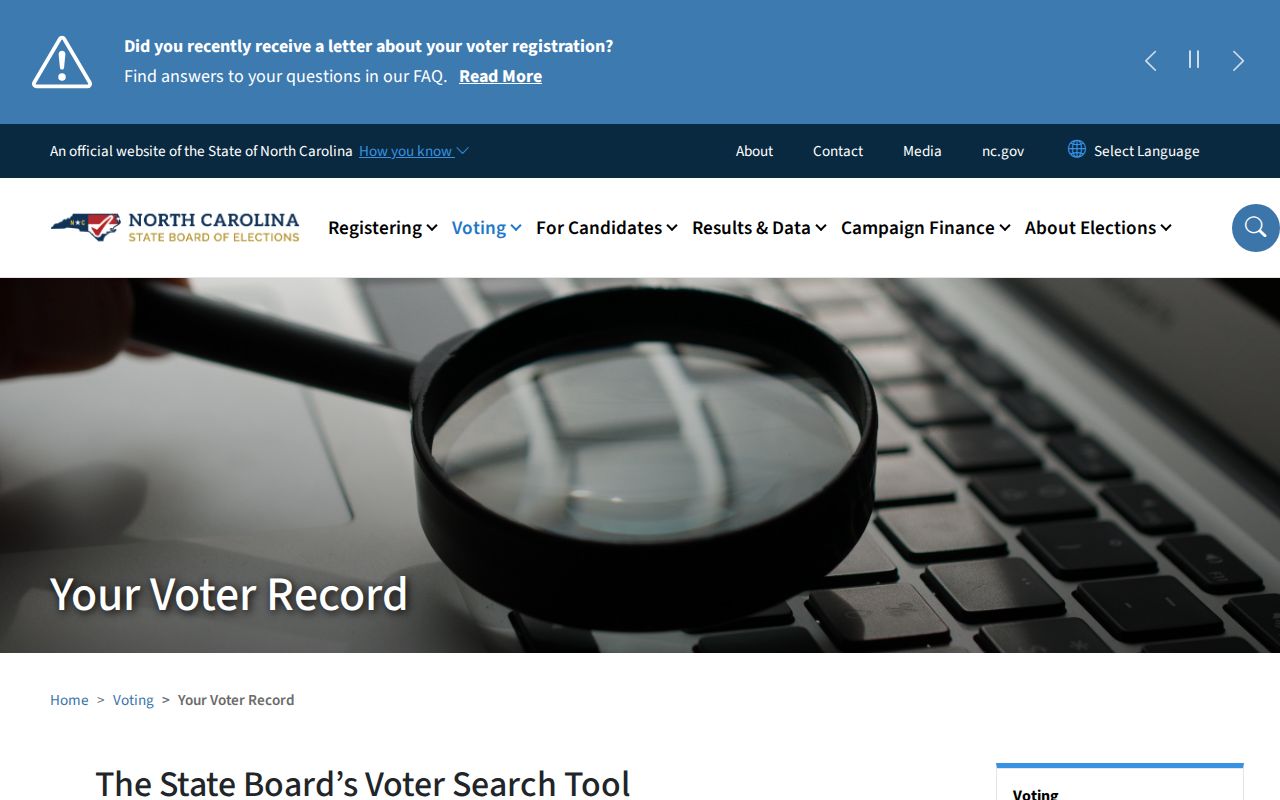
County, status, precinct, and registration date are stronger reconciliation details than a name alone. Full date of birth, Social Security number, email, photographs, identification copies, and driver-license numbers are confidential.
- Voter details: county, status, registration number, NCID, party, and registration date.
- Jurisdictions: precinct, legislative districts, local districts, and municipality where applicable.
- Voting locations and sample-ballot links for the applicable election.
- History: election, voted method, and voted county, with no ballot-choice information.
Current online registration and historical voter research are not the same task. The research identified county-specific voter-registration books in FamilySearch's North Carolina County Records collection and election series in the State Archives county-records guide, but did not confirm a current online Durham historical poll-book inventory. For an earlier registration question, ask the Durham Board of Elections, State Archives, or library for a register by election and precinct. Do not assume a missing result in the current form settles an older question.
Note: A precinct or postal label can cross other boundaries, so confirm the jurisdiction fields shown in the official voter result.
Durham Court Portal Resident Lookup
The North Carolina eCourts Portal Smart Search normally accepts a person name in last, first order or a case number. Its advanced filters include location, exact or ranged party date of birth, case type, and case status. Public registration is not required. The guide says Smart Search returns up to 200 results, so a common name should be narrowed before a result is read. A no-match can reflect name format, missing online coverage, or a restricted matter.
The official court-records access guidance also points to a public self-service terminal at the clerk's office and to paper files held in the county. Durham County Clerk of Superior Court is the custodian for county case documents. The clerk can provide inspection, copies, and certification when the item is available; the portal display cannot certify a county record.
The court access page documents the terminal and clerk route for Durham case files.
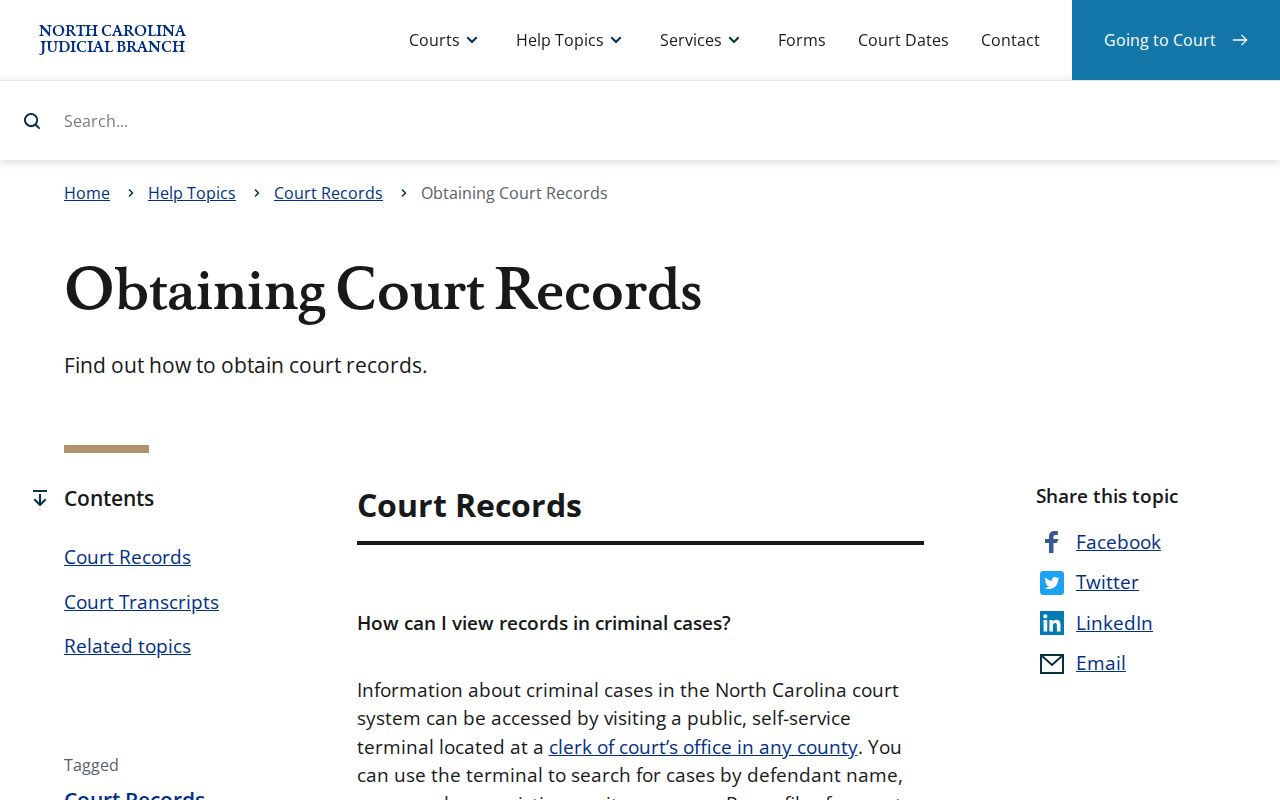
A Register of Actions is a summary of case activity. It is not the complete official record, and a filing or allegation is not proof of an allegation. Record the county, case number, party role, filing date, case type, and disposition before asking the clerk for a document.
Durham Vital Records for Resident Verification
A vital-record request has a different purpose from a name search. North Carolina coverage begins in 1913 for births, 1930 for deaths, 1962 for marriages, and 1958 for divorces. Earlier events lead to the county Register of Deeds, State Archives, or Clerk of Superior Court route named for that record type. The state search charge is $24 for each three-year period and is nonrefundable, including one copy when found. Certified copies require the relationship, identity, and eligibility set by law.
The North Carolina Vital Records forms index lists the applications for birth, death, divorce, marriage, and fetal-death records.
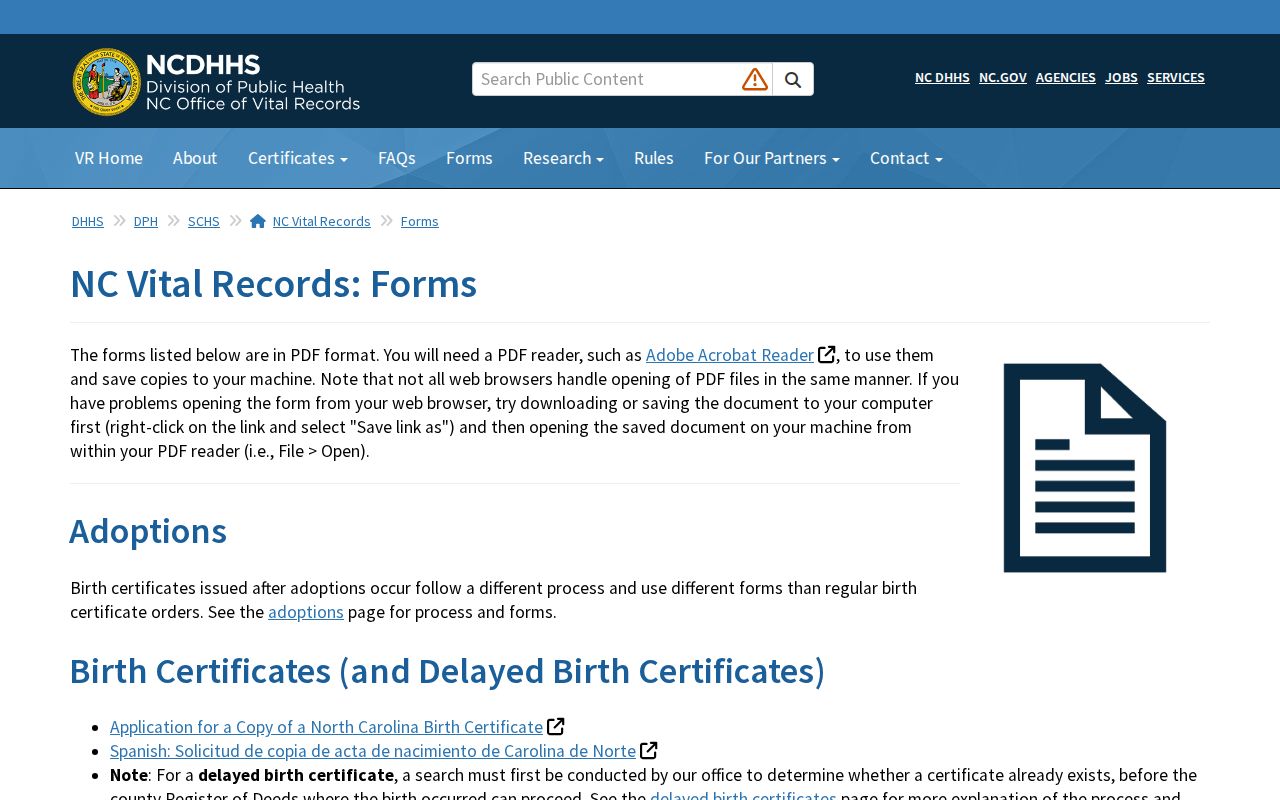
The application route asks for details needed to locate a particular event and may require identity documentation. Do not treat a certificate request as a public directory search or copy protected certificate details into notes.
Durham Public Health's vital-record notice directs certificates, amendments, and legitimations to the Durham Register of Deeds and states that Public Health does not issue certificates.
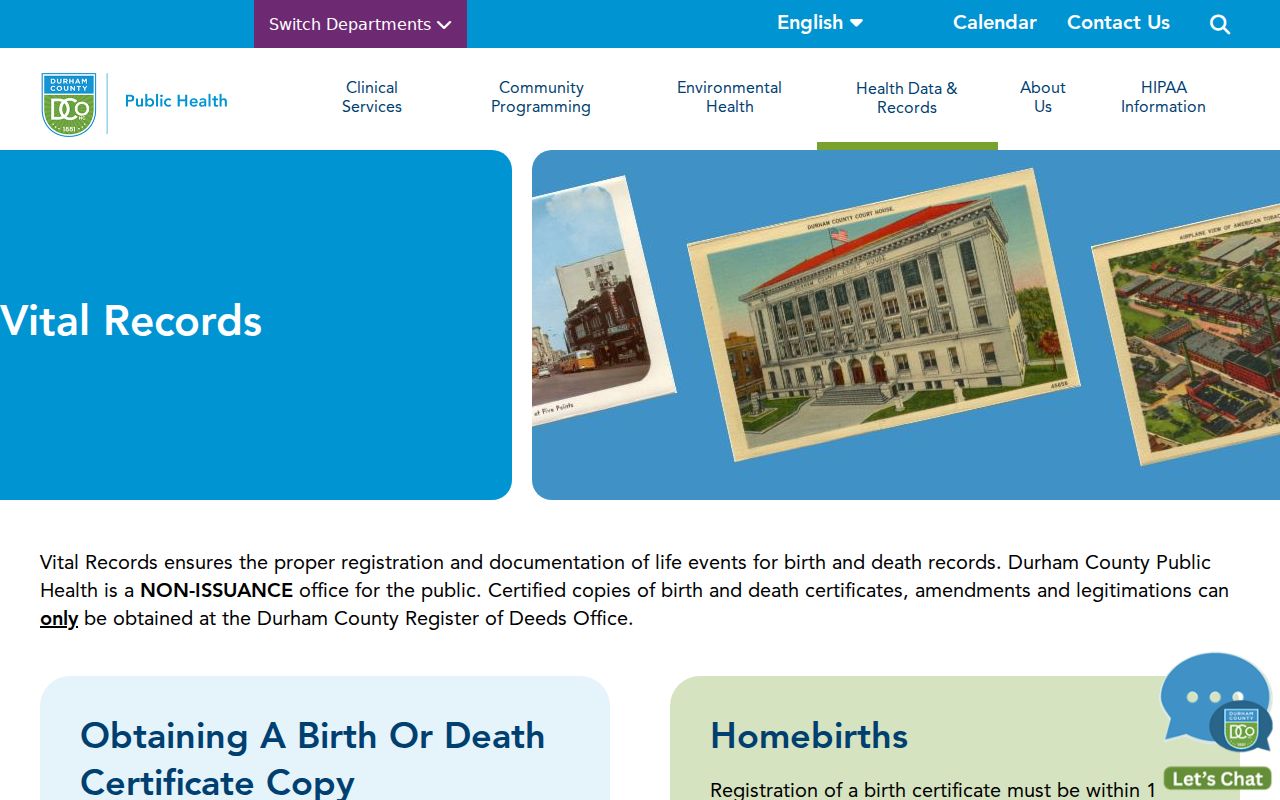
For an eligible local request, the Register of Deeds is at 201 E Main Street, second floor. The local notice also separates homebirth and parentage contacts from the certificate route.
Verify a Durham Resident Through Sources
To look up a resident accurately, compare records that were created for different official purposes. A parcel or voter result can provide the first lawful connection. A court entry may then be narrowed by case number and party role. A vital certificate should be requested only through its eligibility process. Keep uncertainty in the notes: a similar spelling, an old address, or a matching year does not establish that two results concern the same person.
- Search the parcel roll by address or owner, then save the PIN or other displayed parcel identifier with the check date.
- Use the voter search with the county and year filter where appropriate, and compare status and precinct without copying protected fields.
- Search eCourts by last, first or case number, then use location, case type, and status to distinguish the record.
- Ask the appropriate custodian for an existing copy or certified record when a source identifier, not a name similarity, supports the request.
- Docket
- A court's running case record, including filings and events. It must be read with the actual disposition and available documents.
- Index versus image
- An index helps identify a record by name, number, or date. An image is the scanned or original document and may have separate access rules.
- Certified copy
- A copy authenticated by the custodian for an official purpose. A portal result screen is not a certified copy.
Durham Credentials and Entity Records
When the question is whether a name is associated with an organization or a regulated credential, use the official source that created that record. The North Carolina Secretary of State search can return a legal name, SOSID, status, registered agent, and filings. NCBOLD is a cross-agency license discovery tool, while the issuing board controls the current credential record. An assumed-name filing or a UCC filing is not a general personal identity record.
The Secretary of State business-registration search is the official entry point for entity research.
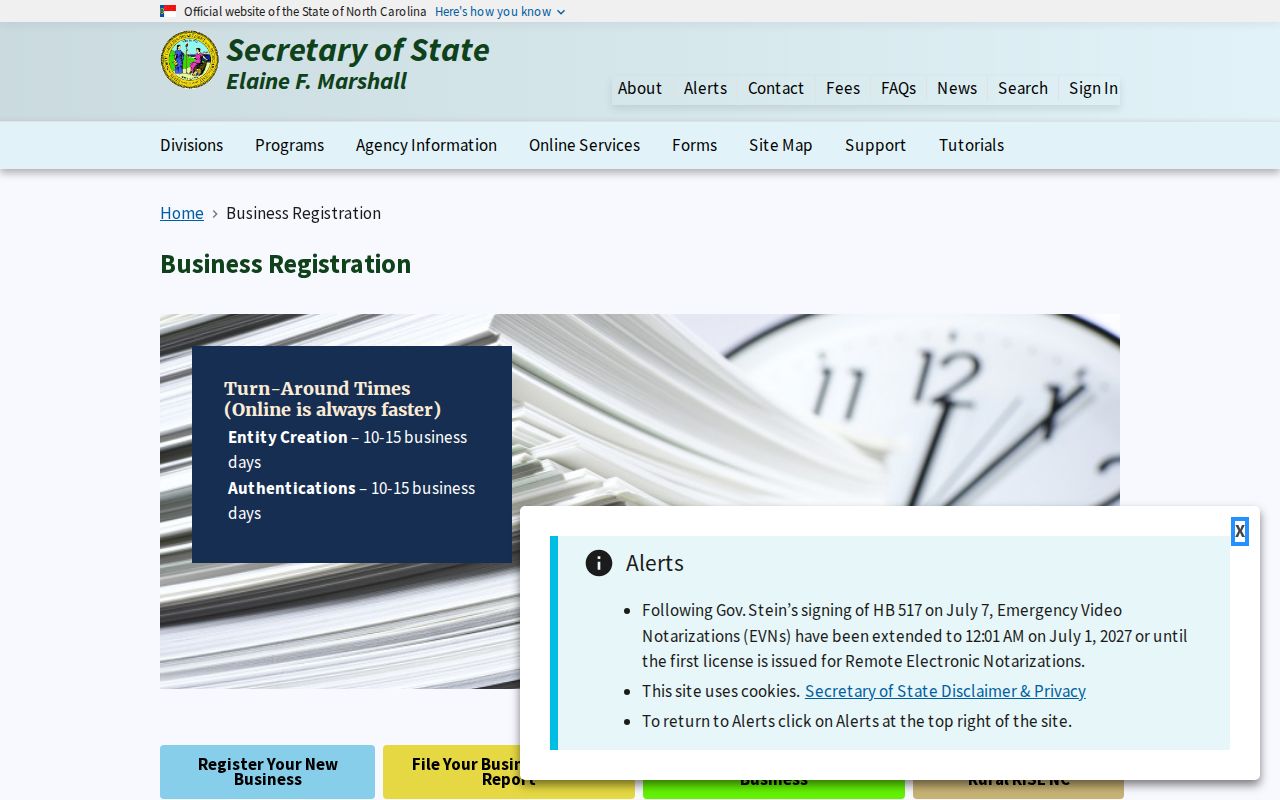
Preserve the SOSID, filing date, and document type if a result needs later confirmation. For a credential, retain the license number and issuing agency rather than relying on a shared name.
Durham Court Results Need Narrowing
The portal's 200-result ceiling is a useful warning for a Durham resident lookup. First and last name alone can produce an incomplete or ambiguous list. Advanced location, date-of-birth, case-type, and status controls can reduce the result set, but public dates of birth are masked. A portal omission does not establish that a record never existed. Archived paper files, non-Odyssey material, and restricted categories can follow different access paths.
After a result is located, use its case number and party role with the Durham clerk. North Carolina's public-record request service provides online, mail, and in-person request channels for existing records; it does not require an agency to make a new compilation. Inspection is free under the court policy, copies are generally $0.25 per page under G.S. 132-6.2, and an extraordinary request can carry a reasonable special fee.
Note: County, case number, filing date, and party role make a better request than a broad request for every record under one name.
Durham Resident Lookup Privacy Limits
North Carolina Public Records Law, Chapter 132, permits inspection of existing public records while preserving confidential portions and the role of the proper custodian. The Address Confidentiality Program in Chapter 15C provides a substitute mailing address for eligible survivors. Its effects differ by system: elections can retain the actual address confidentially, a tax assessor has limited motor-vehicle treatment, and a Register of Deeds cannot use a substitute address on a recorded document or index. One visible record does not mean every related record is open.
Voter confidentiality is separate. The public voter file may include fields such as name, address, age, party, precinct, districts, and history, while full date of birth and other identifiers remain confidential. A protected order or program status can affect address display. Seek a correction or suppression from the office that holds the record rather than trying to correct a copied result elsewhere.
Lawful use. Use a Durham resident lookup for personal, lawful research and respect protected fields. Using record details to stalk, harass, intimidate, or cause fear can violate North Carolina law.
Names are not unique. Keep records separate when the identifier, date, or official context does not support a match.